Door Knob Lock vs. Deadbolt: Understanding What Each One Actually Does
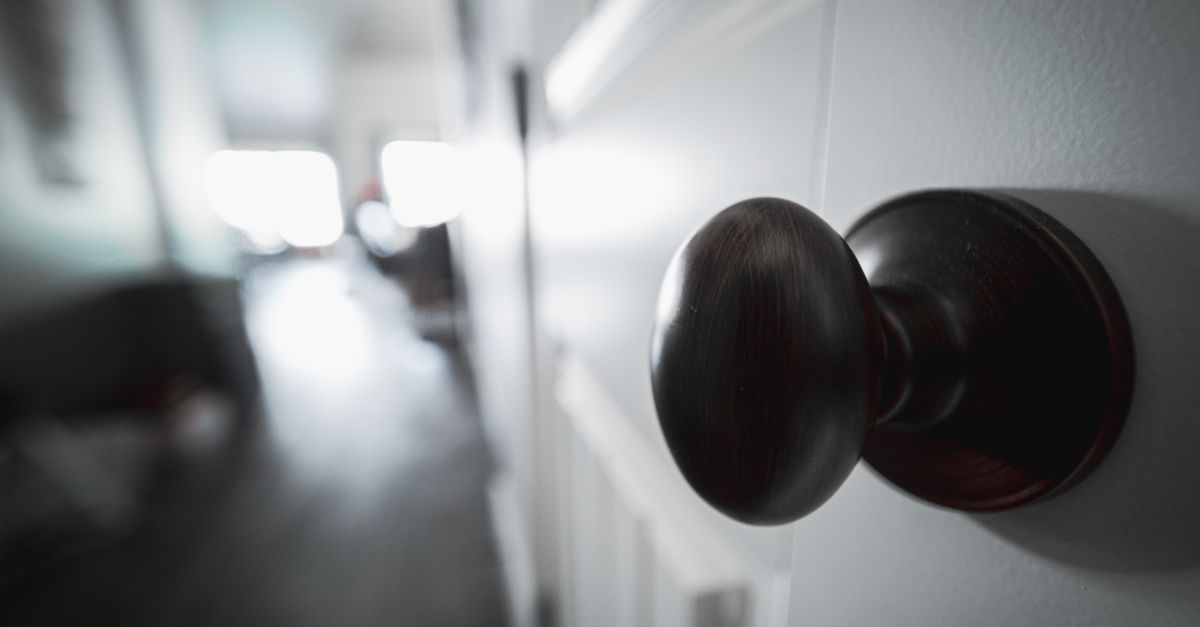
A door knob lock uses a spring-loaded latch that retracts when you turn the knob, making it convenient for interior passage doors and low-security side entries. A deadbolt, by contrast, drives a solid steel bolt directly into the door frame strike plate without any spring mechanism, which is why it resists kick-in and pry attacks far more effectively. Most security professionals recommend pairing both on every exterior door — the knob handles day-to-day convenience while the deadbolt provides genuine stopping power. On interior doors such as a bathroom or door knob with lock for bedroom use, a knob or lever with a simple privacy pin is typically sufficient. Understanding this distinction helps you make an informed choice before a single tool is picked up.
Mortise locks occupy a third tier entirely. A mortise lock is a full lock body that is routed into a pocket cut within the door edge itself, housing both the latch and bolt in one heavy-duty cartridge. You will find mortise hardware on older New Jersey colonial-era homes, high-end residential entry doors, and most commercial applications where a separate deadbolt above the knob would be impractical or code-restricted. Our technicians are experienced with mortise lock installation, repair, and conversion — including sourcing compatible replacement cartridges for doors where the original pocket dimensions are non-standard.